Higgo Case Study
All replacement elements were carefully made to suit the existing window structure, helping the finished result remain in keeping with the original appearance of the building.
About this project
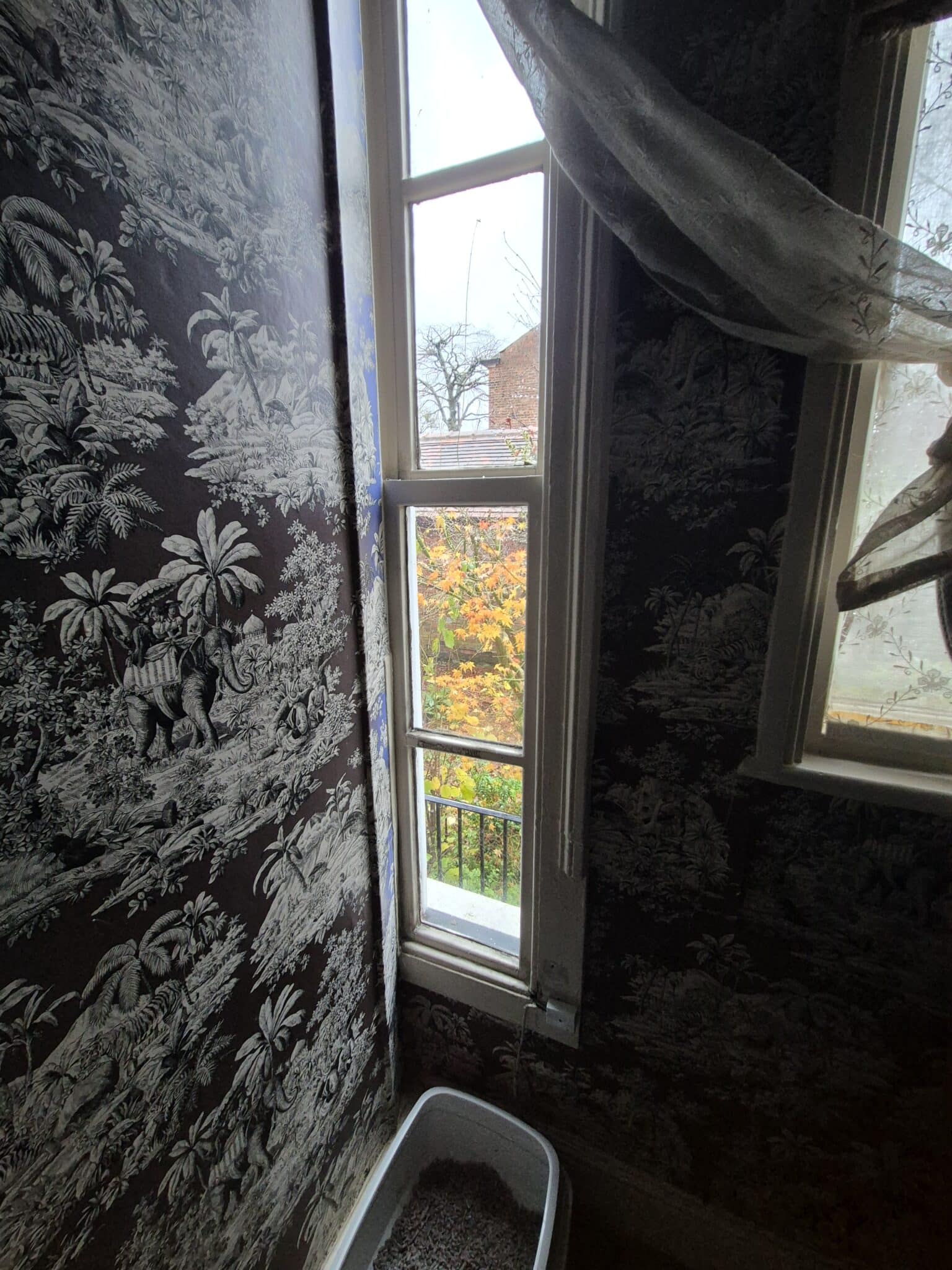
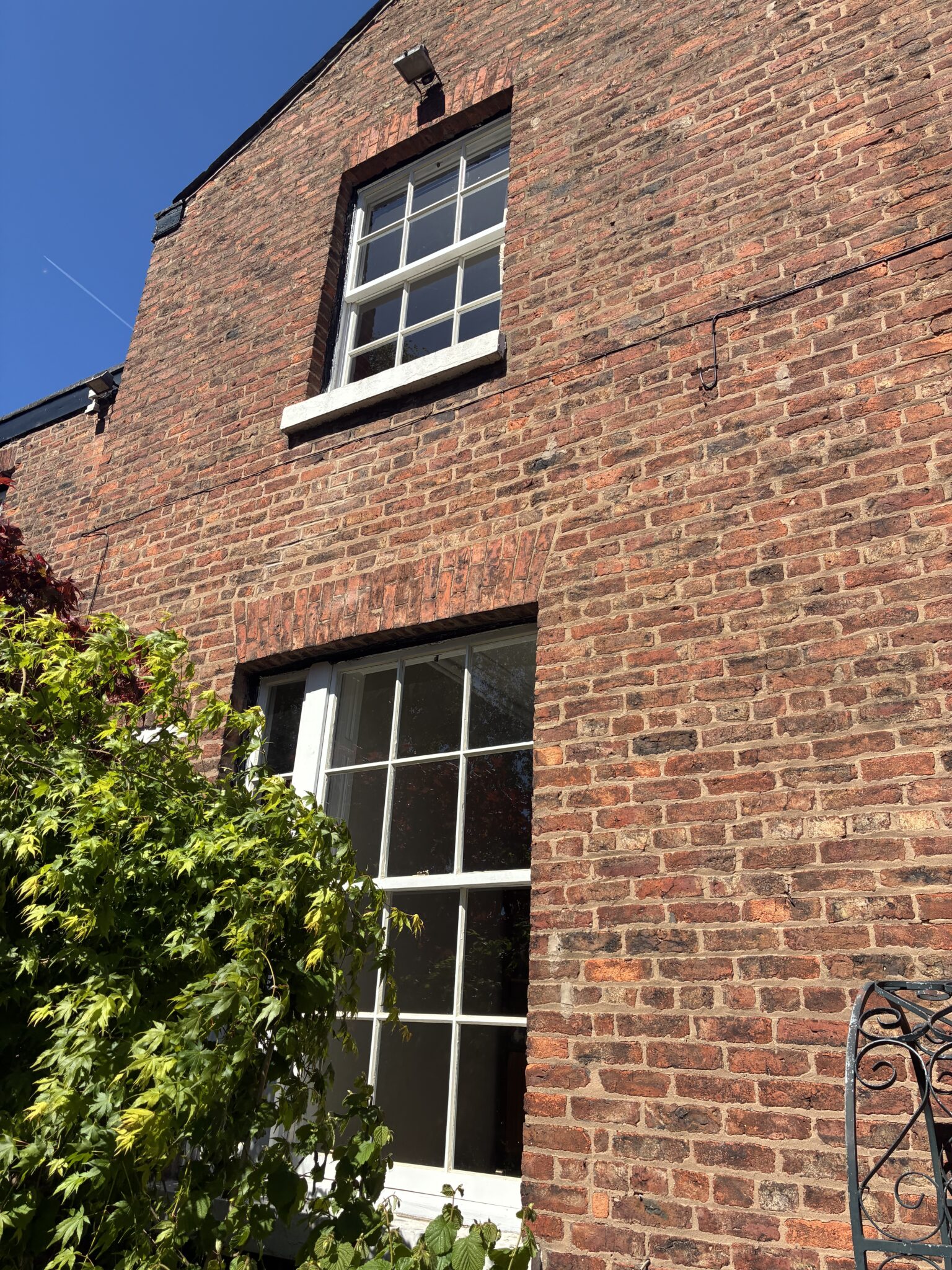
This project involved the careful refurbishment of three windows within a historic property set on a cobbled cul-de-sac in Manchester. The work focused on restoring the function, appearance and comfort of the existing sash windows, while retaining as much of the original character as possible.
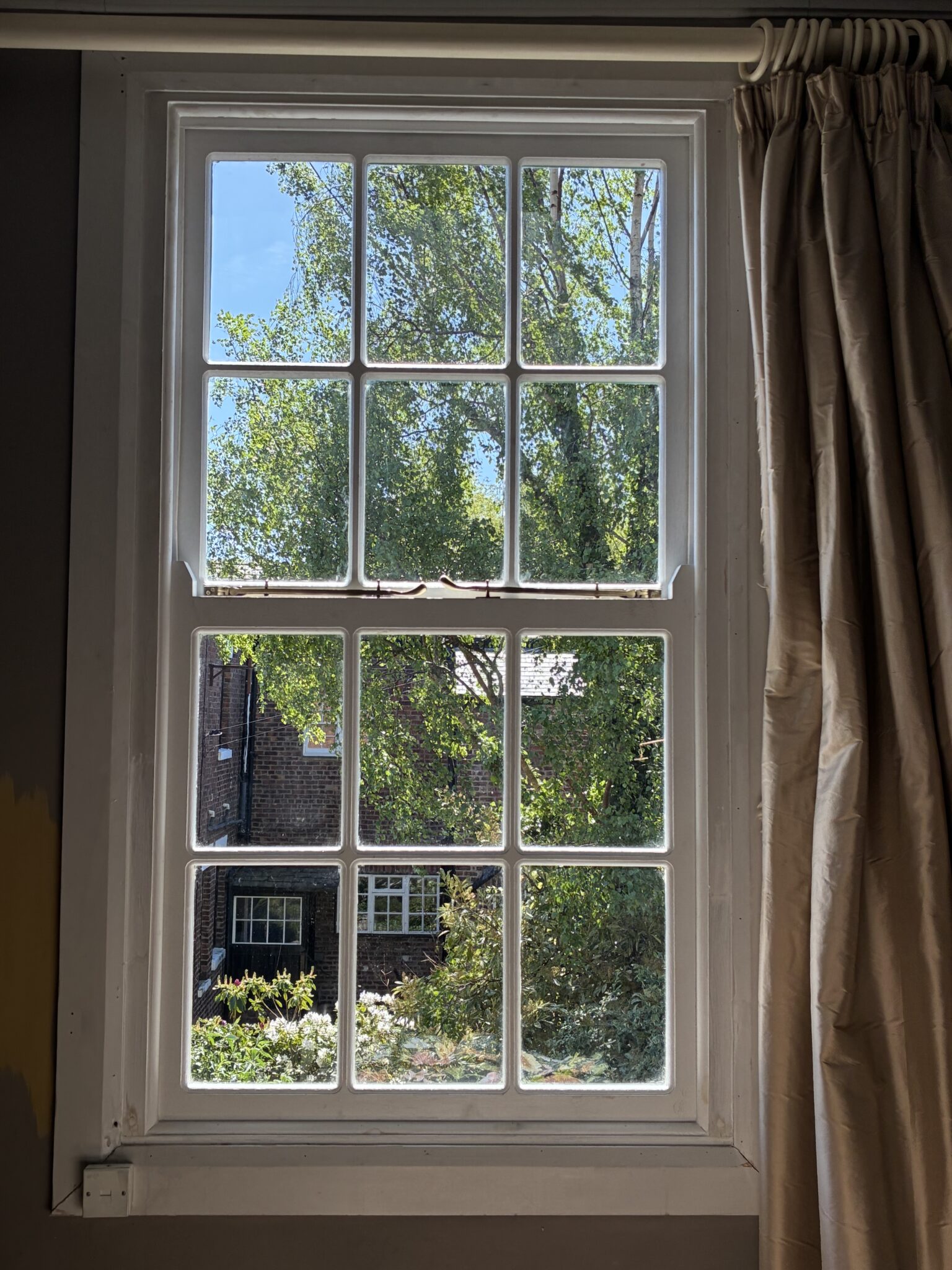
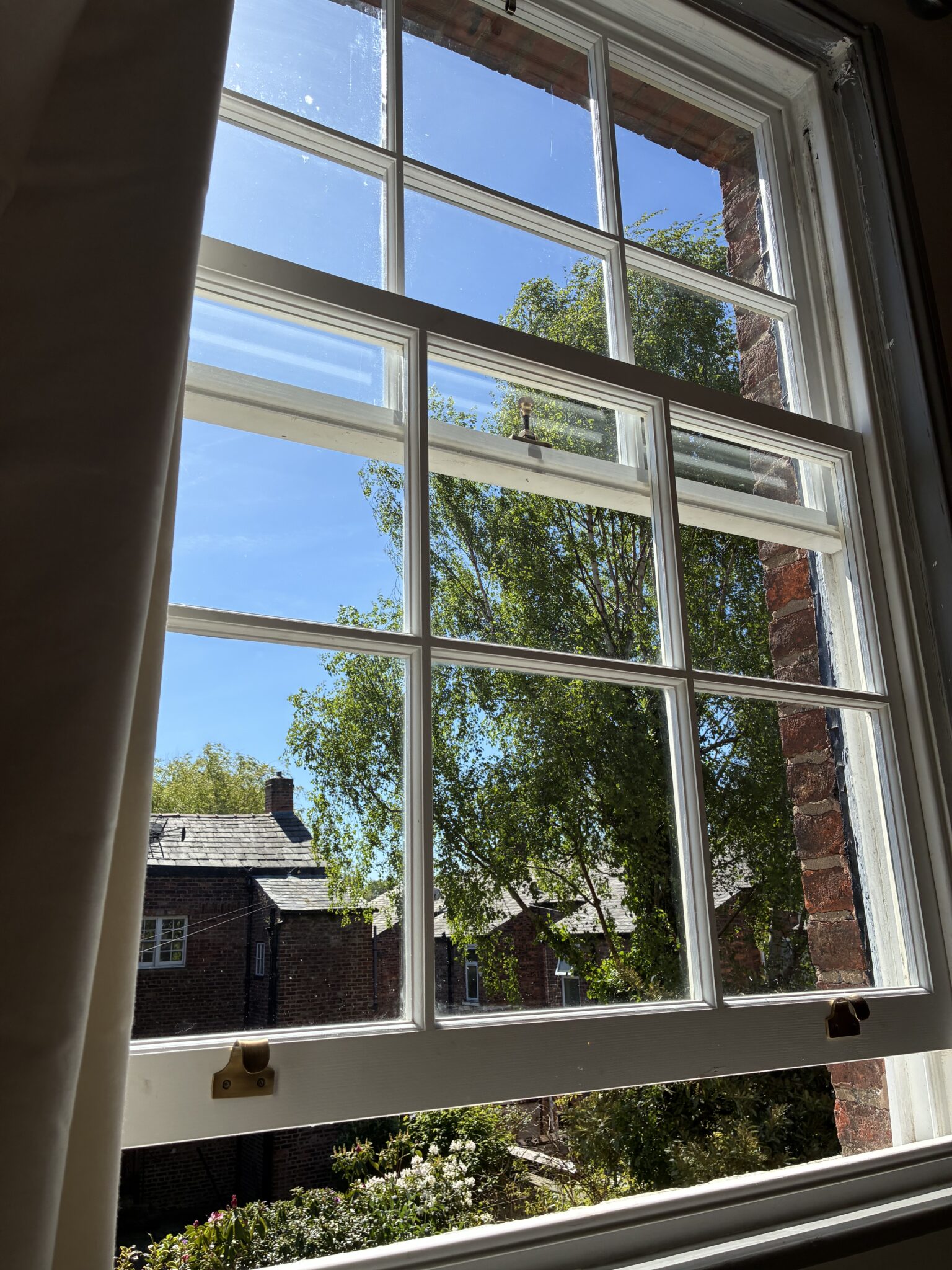
The main scope of work was to replace the cill and damaged lower sections of the box sash window, install new single-glazed sliding sashes and fixed sashes, and fit new draughtproofed beads. The team removed the existing quadrant staff beads, fixed bottom sash and parting bead up to the height of the bottom sash before fitting the new bespoke timber sections.
Once the repairs were complete, the windows could open and close properly again, with improved draughtproofing and a cleaner, more secure finish.
Location & Context
The property is located in a historic cobbled cul-de-sac in Manchester, approximately one mile from Manchester Museum and close to Birchfields Park and the University of Manchester. The area has a strong architectural character, with period properties that contribute to the surrounding conservation setting.
Because the building is listed and sits within a conservation area, the work required a sensitive approach. Every repair and replacement detail had to respect the existing design, while also ensuring the windows were made functional and comfortable for modern use.
The setting made this a particularly memorable project. The building had many stunning original features, and preserving those details was central to the work from start to finish.
Brief & Challenges
The original brief was to refurbish three windows by replacing the damaged cill and lower timber sections, installing new single-glazed sliding sashes, and improving draughtproofing with new beads. The customer also wanted to restore ventilation, as some of the windows had not opened for more than 20 years because they had been painted shut.
One of the main challenges was the listed status of the property. The windows needed to be repaired with great care so that the finished result remained true to the building’s original style and met the expectations required within a conservation area.
During the works, the team also identified that one of the top windows had rotted further up than had been visible during the initial survey. This meant the original completion schedule had to be adjusted. The frame needed to be brought back into the workshop for more detailed refurbishment, which extended the project timeline.
The customer was very understanding, and clear communication helped ensure they were kept updated about the revised finish date.



Solution Provided
The Heritage Joinery team carried out a detailed sash window refurbishment, combining on-site repair work with workshop-based restoration where needed.
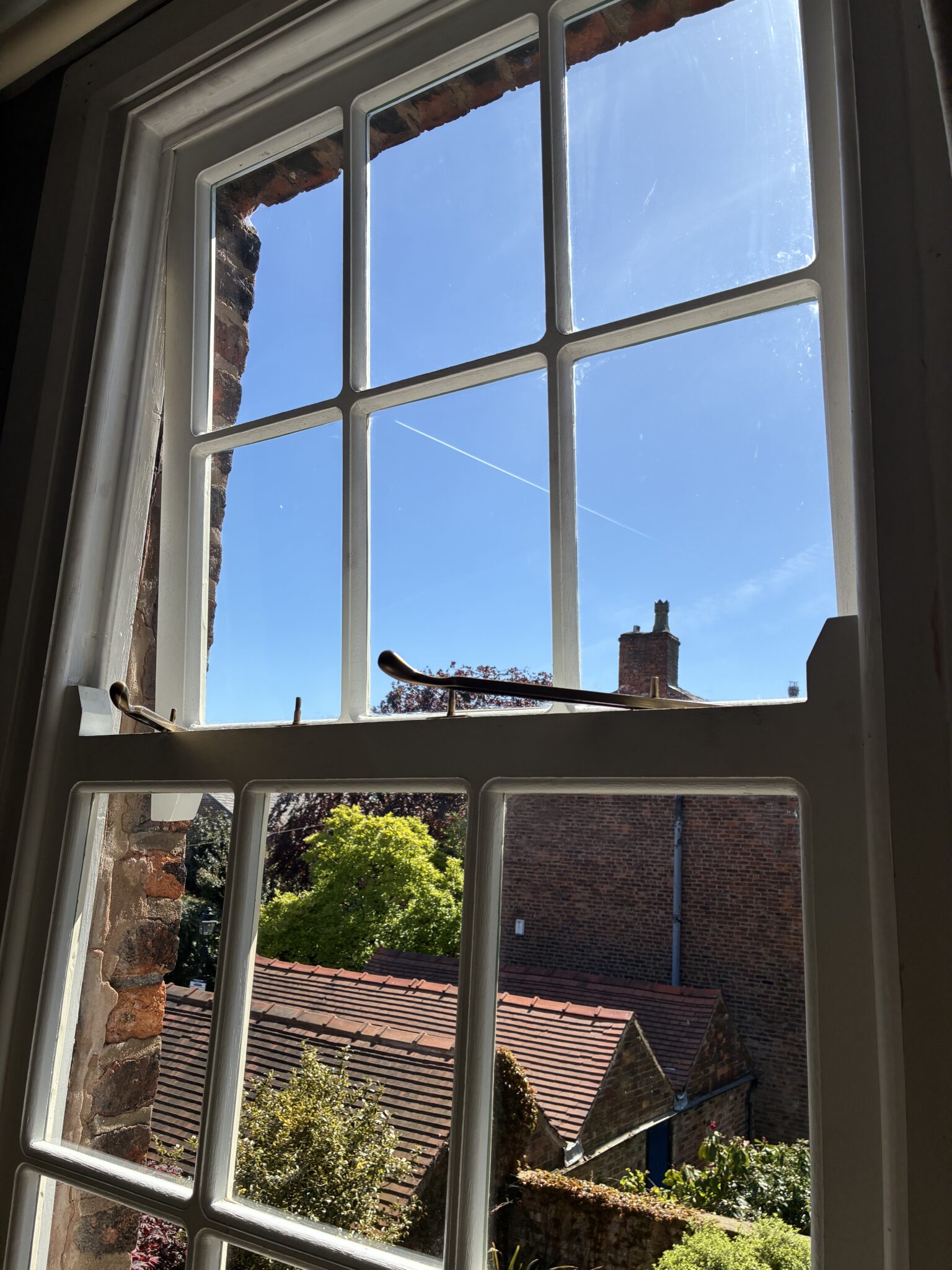
The existing quadrant staff beads were removed, followed by the fixed bottom sash and parting bead up to the height of the bottom sash. A new bespoke cill was then fitted, along with a bespoke thick pulley stile and new parting bead. The team installed a new bottom single-glazed sash and fitted new quadrant staff beads around the window to create a neat, traditional finish.
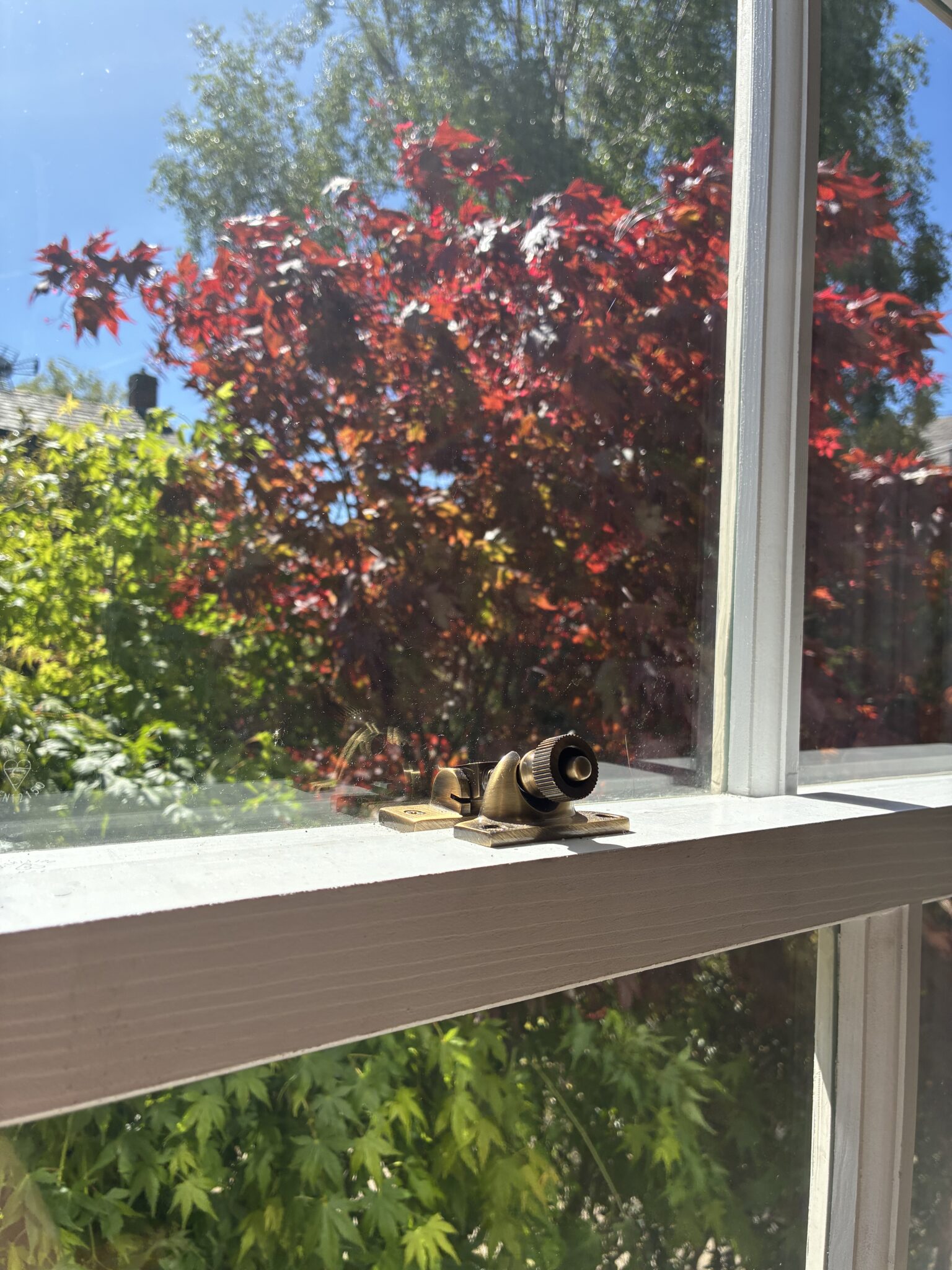
New draughtproofed beads were also installed to reduce heat loss and improve comfort inside the home. Two new window stays were fitted to help the restored windows operate securely and practically.
When the additional rot was discovered in the upper window, the affected frame was taken into the workshop for refurbishment. This allowed the repair to be completed properly rather than rushing the work on-site. The result was a more durable repair that protected the long-term condition of the window.
Conclusion
After the work was completed, our aftercare team contacted the customer to check they were happy with the result. They explained that the difference made by the draughtproofing was “unbelievable” and that they could feel much more warmth than expected. They were also pleased to be able to open windows that had been painted shut for more than two decades.
The customer later left a five-star review, praising the service, efficiency, workmanship and cleanliness of the team:
“Excellent service throughout. Very efficient, and did a great job. Friendly, polite and helpful. Cleaned up thoroughly.”
They also told us they would return to Heritage Joinery if they chose to refurbish more windows in the future.