Fowell Case Study
The customer wanted to preserve the property’s period feel, so the existing single-glazed frames were retained rather than replaced with modern alternatives. This allowed the windows to be restored in a way that protected the home’s original character while improving their function, security, and overall condition.
About this project
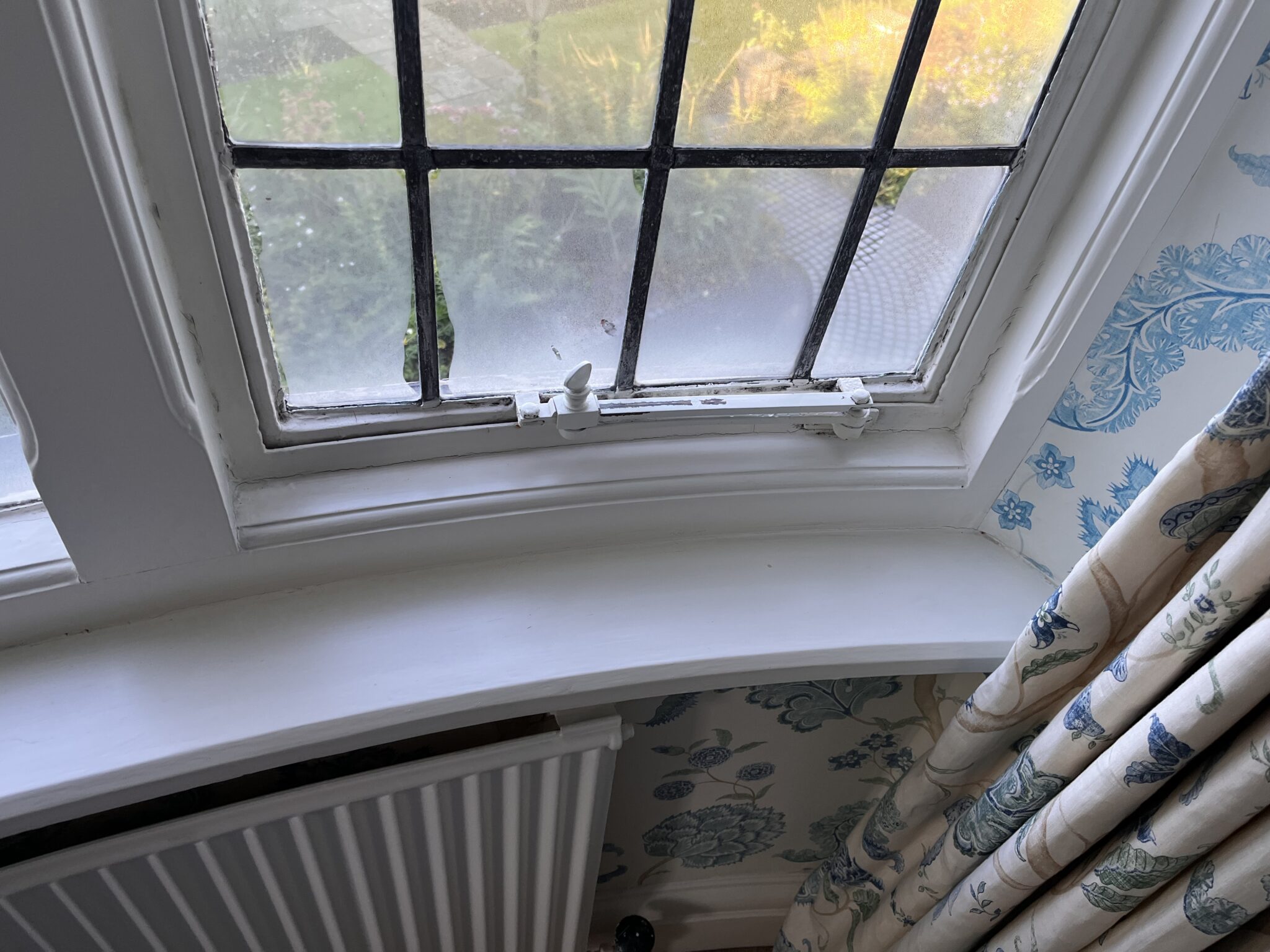
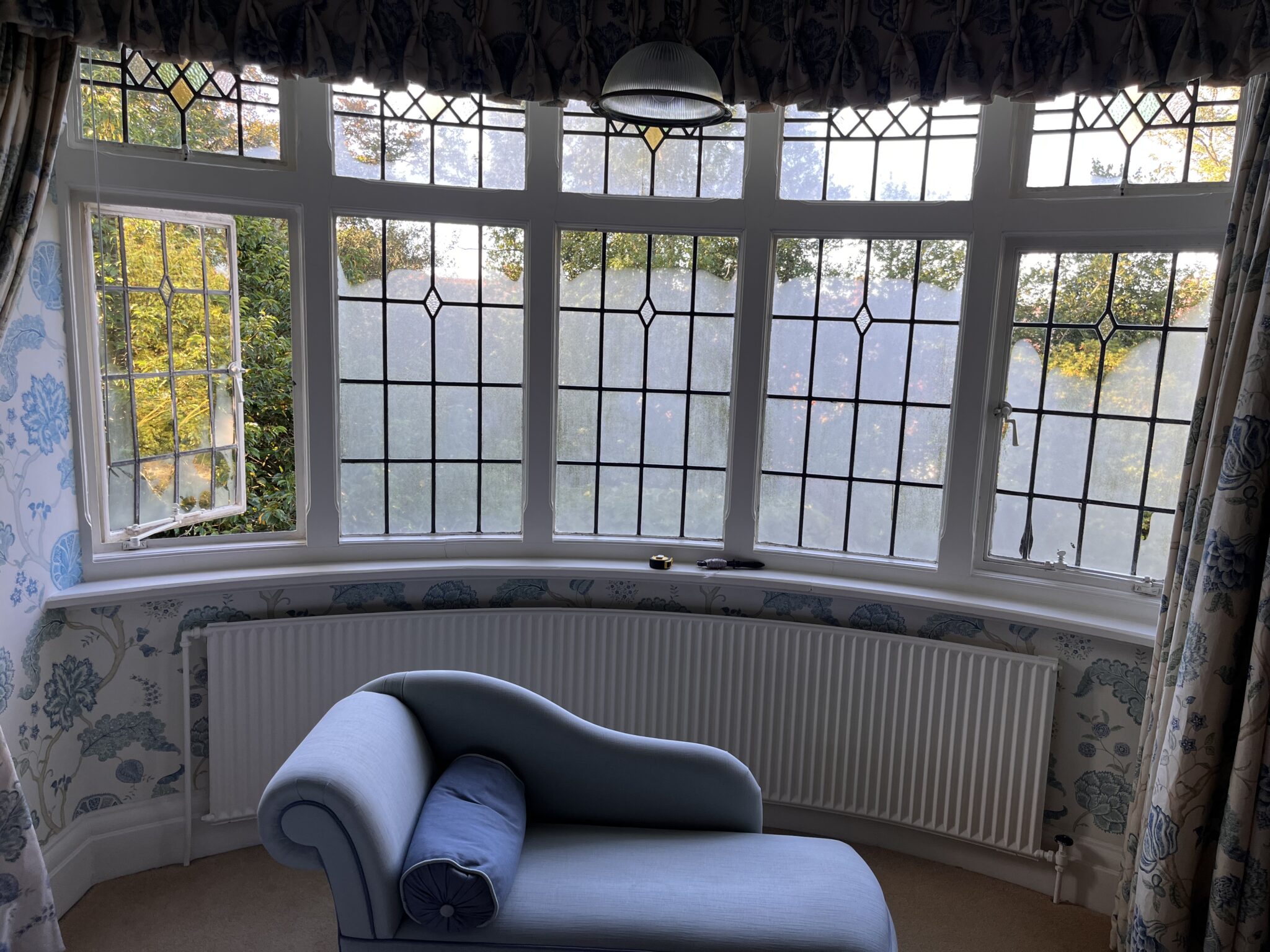
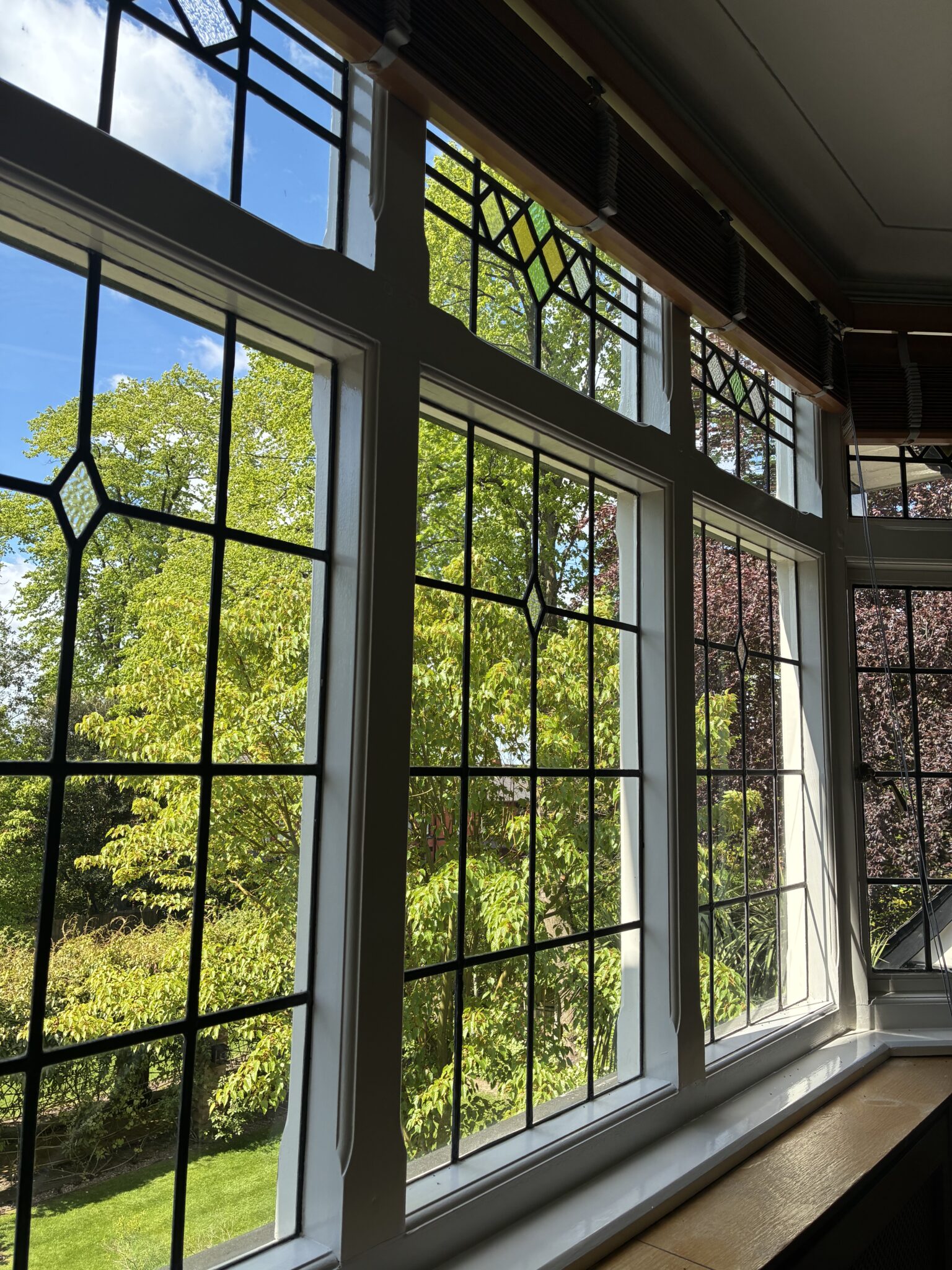
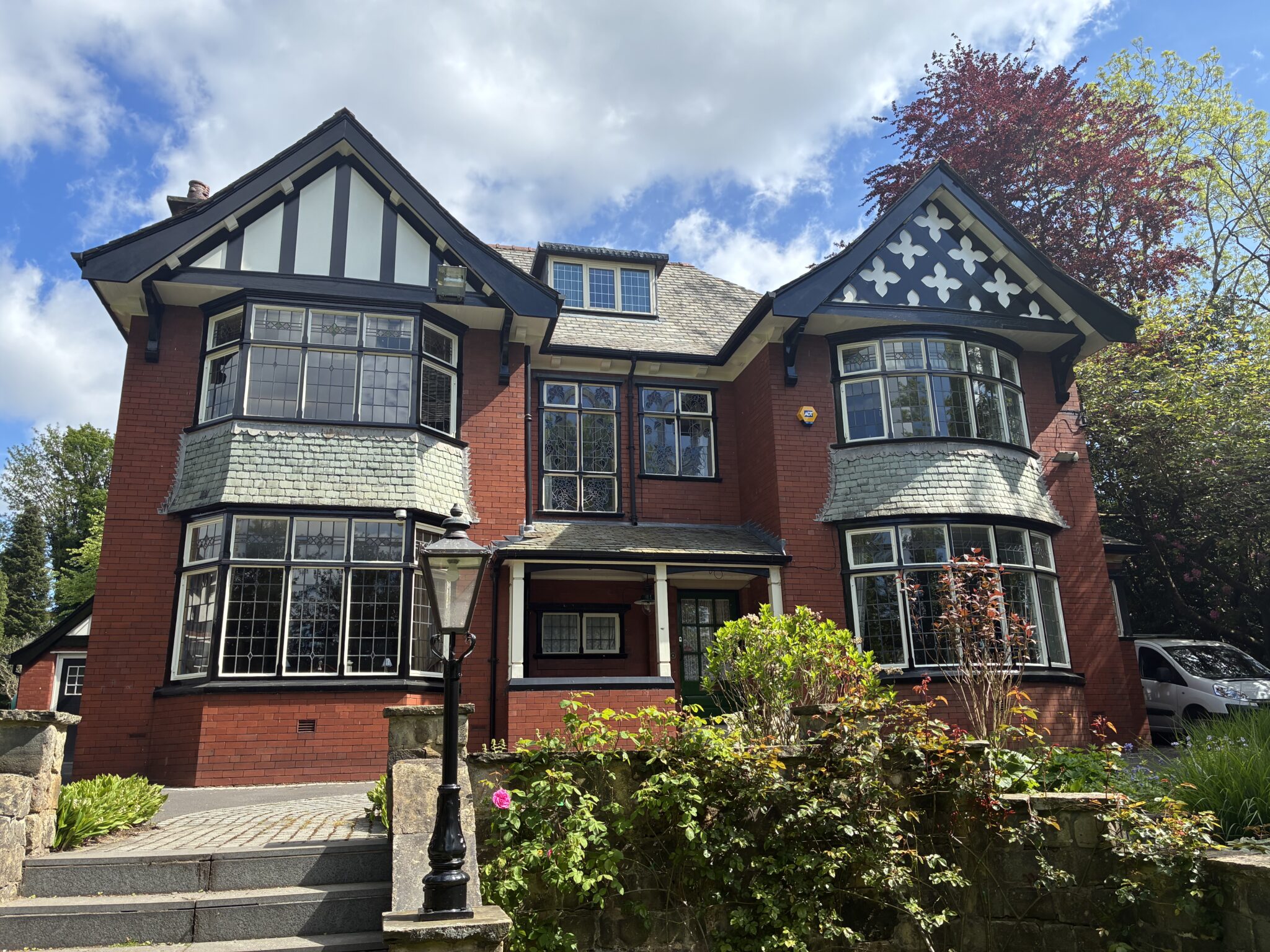
This project involved the refurbishment of a collection of period windows in a home near Oldham. The windows included a beautiful mix of timber and metal frames, with some panes cracked, sections of timber affected by rot and visible condensation forming where ventilation had become limited.
A key part of the project was restoring the windows without altering the property’s character. The customer was happy to keep the existing single-glazed frames and wanted the finished result to feel preserved rather than modernised. This meant the work had to be approached with care, using repair-led methods rather than full replacement.
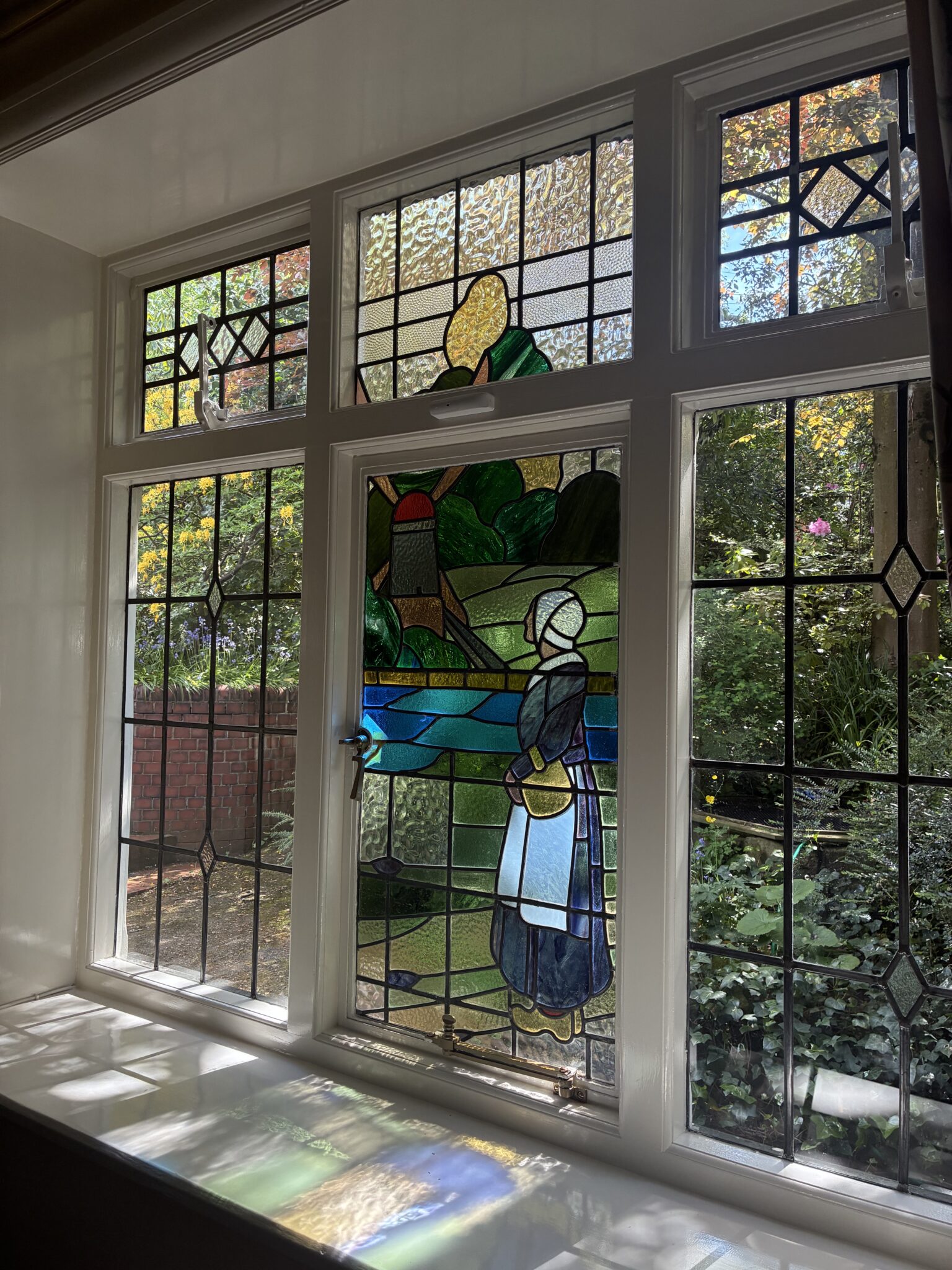
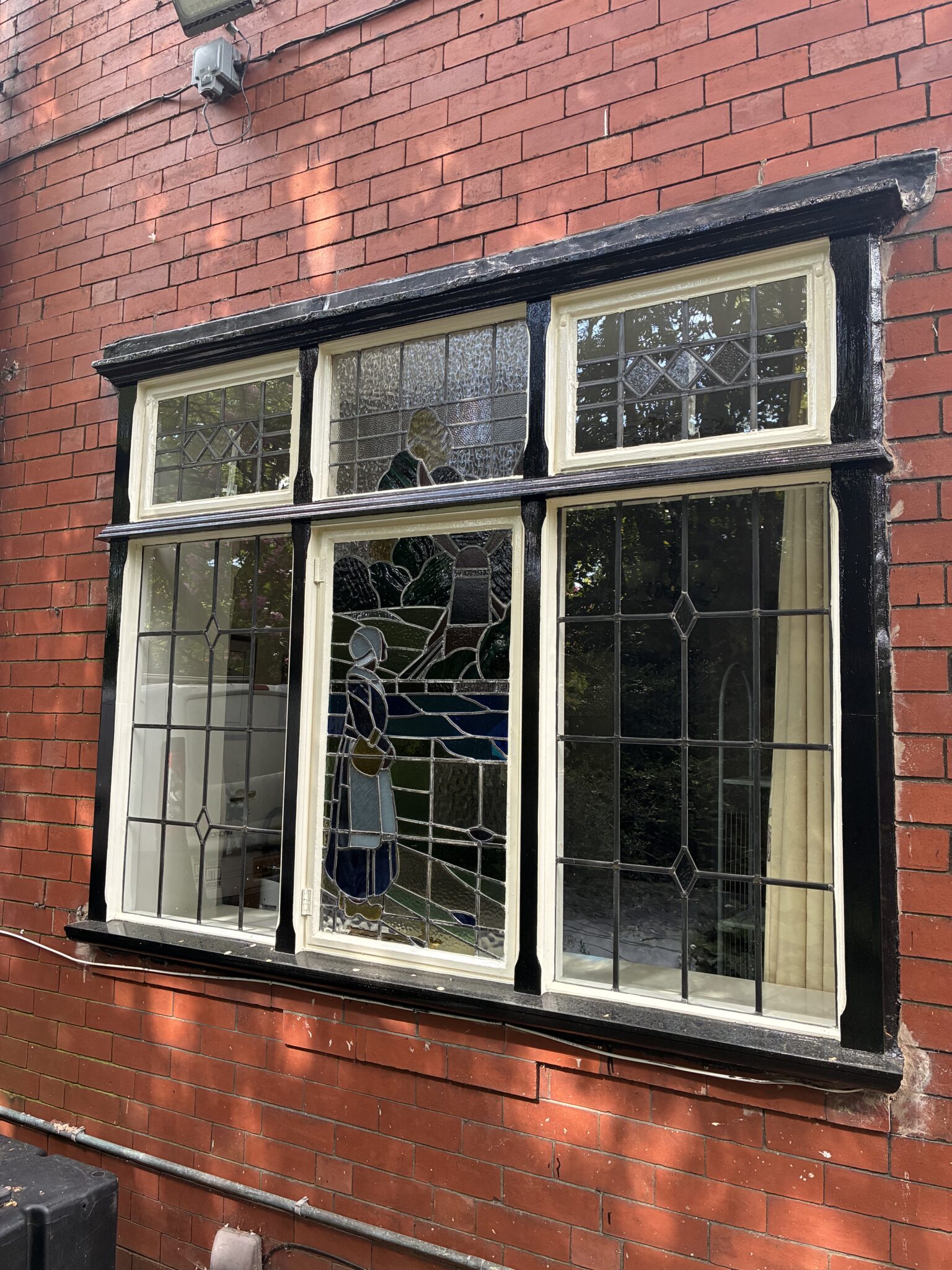
One of the most memorable features was a stunning stained glass piece set within a metal frame. This required a careful restoration process to protect the glass’s detail while improving the condition and function of the surrounding frame.
Location & Context
The property is located in Oldham, close to several well-known local landmarks. Alexandra Park, a large historic Victorian park, is approximately half a mile away, while Gallery Oldham and Library are around one mile from the property. The home is also within reach of Oldham Old Town Hall, Oldham Coliseum Theatre and Spindles Town Square Shopping Centre.
Although the building was not listed, the property’s age and character meant the work still needed to be handled sensitively. Certain regulations and best practices had to be followed when repairing and restoring the window frames, particularly where glass repairs were involved.
The surrounding area has a strong historic identity, so preserving the original appearance of the windows was important. The aim was not to make the property look new, but to restore the existing features so they could continue to perform properly while keeping their period charm.
Brief & Challenges
The original brief was to refurbish the windows while retaining the property’s period feel. The customer did not want to replace the existing windows with modern double-glazed units, and was happy to keep the single-glazed frames where possible.
Several windows had clear signs of wear. Some glass panes were cracked, sections of the timber frames were rotten, and condensation was visible. In some areas, the inner frames were metal, which meant the glass could not be upgraded to double glazing. This made careful restoration the most suitable approach.
The project also involved removing decades of built-up paint from both timber and metal frames. This needed patience and skill, as different materials required different techniques. The team also had to repair damaged timber sections, address cracks in some of the glass frames and preserve the stained glass feature.
During the works, further rot was found in the outer timber frame. This had not been fully visible during the initial visit and meant the project required additional time and cost. Because a positive relationship had already been built with the customer, the team were able to explain the issue clearly and agree the next steps smoothly.


Solution Provided
Our team used traditional craftsmanship and restoration techniques to bring the windows back to a safe, practical and attractive condition.
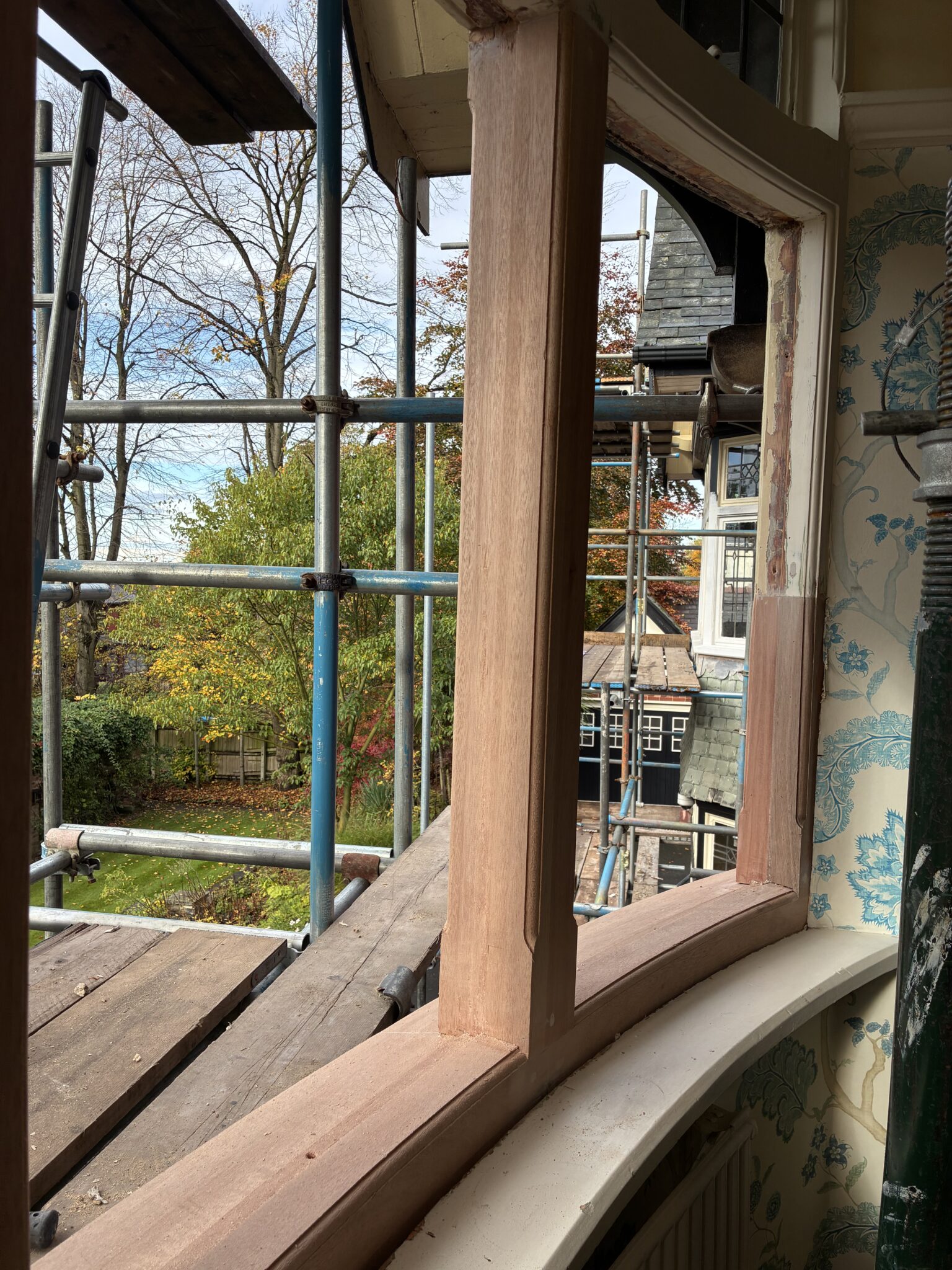
A major part of the solution was the manufacture of a curved bay window cill and frame in the workshop using sapele timber. This required detailed joinery skills to match the shape and character of the original window, while providing a strong and durable repair.
The restoration team then worked carefully to remove decades of paint from the timber and metal frames. Different techniques were used depending on the material and condition of each section, helping to avoid unnecessary damage while preparing the frames for repair.
Where rot was discovered, damaged timber was repaired or replaced with suitable new sections. The cracked glass frames were addressed carefully, and the stained glass piece was preserved as part of the overall restoration. Because the team communicated clearly with the customer throughout, the change in brief caused by the additional rot was handled with understanding and trust.
The finished windows were made fully operational, more secure and better ventilated. This helped resolve the condensation issues and allowed the customer to use the windows properly again.
Conclusion
The bespoke sapele curved bay window cill and frame were a standout part of the project, showing the level of craftsmanship needed to restore older windows properly. The stained glass feature also made the work especially memorable, as it required a careful approach to preserve one of the property’s most attractive details.
After completion, the customer explained that the difference was noticeable. The windows were fully operational and secure, ventilation had improved throughout the property and condensation was no longer building up in the same way. Most importantly, the customer was happy that the property still felt preserved, rather than overly modernised or completely upgraded.